Top 10 Telecom Power Cabinet Battery System Exporters & Global Procurement Guide

Industrial Whitepaper on Integrated 48V DC Telecom Power Systems, LiFePO4 Smart Battery Cabinets, and Outdoor Enclosure Thermal Dynamics for Global Operators

99.999% Carrier Uptime Target
IP65 / NEMA 4X Environmental Protection
>6000 Cycles LiFePO4 Battery Lifespan
ISO9001:2015 Quality Assurance

Top Telecom Power Cabinets & Battery Systems Showcase

High-reliability exporter solutions for base stations, data centers, outdoor mini shelters, and grid UPS systems.

Low Voltage PFC Switchgear Automatic Capacitor Bank Cabinet

Low Voltage PFC Switchgear Automatic Capacitor Bank 400V 480V IEC 61439 Power Factor Cabinet for Global Industrial Power Systems

Get a Quote
42U Telecom Power Cabinet Aircon DC System

42U Telecom Power Cabinet 2000W Aircon 1000A 2000A 48V DC Power System Mini Shelter Battery Cabinet

Get a Quote
Vertiv 48V Indoor Telecom Power Cabinet Netsure

Emerson Vertiv 48V 600A Indoor Telecom Power Cabinet Netsure 731 CC2 with R48-3000e3 Rectifier DC Power System

Get a Quote
Telecom 48V Air Conditioning Cooling Power Cabinet

Telecom 48V Air Conditioning Cooling Power Cabinet Outdoor Communication 19inch Battery Cabinet

Get a Quote
Telecom Rectifier 48v Charger System

Telecom Rectifier 48V Telecom Power System 48V 50A SCR Industrial Battery Charger Rectifier System For Telecom Supply

Get a Quote
Rack Mount Solar Battery Cabinet LiFePO4 Smart BMS

Rack Mount Solar Battery Cabinet LiFePO4 Lithium Energy Storage System 51.2V 100Ah Smart BMS Telecom UPS Backup Battery Packs

Get a Quote
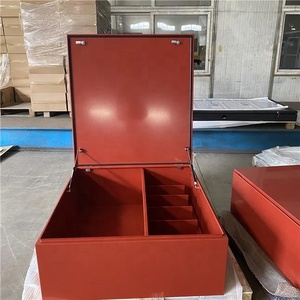
Sheet Metal Custom Telecom Power Cabinet Battery Box

Sheet Metal Factory Custom Telecom Power System Cabinet Battery Box Solar Lithium Battery Cabinet for UPS

Get a Quote
Telecom Data Room Mobile LiFePO4 Battery Cabinet

Telecom Data Room UPS Support 15kWh 16kWh 20kWh Mobile LiFePO4 Battery Cabinet with CAN RS485 RS232

Get a Quote

1. Technical Architecture of Modern Telecom Power Cabinets

In the era of 5G deployment, mobile edge computing (MEC), and distributed telecommunication networks, continuous power availability is non-negotiable. Modern telecom power cabinets serve as the backbone of global digital connectivity, converting raw grid AC utility power into ultra-reliable 48V DC electricity while maintaining high-density emergency power backup via advanced Lithium Iron Phosphate (LiFePO4) battery packs.

An industrial-grade telecom power enclosure integrates four fundamental sub-systems into a modular, climate-controlled, IP-rated structure:

High-Efficiency Switchmode Rectifiers

Converting three-phase or single-phase AC to regulated -48V DC, achieving up to 96.5%+ thermal efficiency. Featuring hot-swappable architectures (e.g., Vertiv NetSure R48-3000e3 series) for zero-downtime maintenance.

LiFePO4 & Smart Battery Storage

Transitioning from legacy VRLA/Lead-Acid to 51.2V high-energy-density LiFePO4 modules equipped with intelligent BMS co-processors for automated cell balancing, thermal shutdown, and state-of-health tracking.

Active Climate & Thermal Management

Integrated 500W–3000W DC air conditioners, heat exchangers, or direct free-cooling fan units designed to keep internal cabinet temperatures stable under harsh outdoor ambient conditions (-40°C to +55°C).

Remote Supervisory & Monitoring (BMS/SNMP)

Multi-protocol communication gateways leveraging CANbus, RS485, RS232, and SNMPv3 for real-time telemetry streaming to Network Operations Centers (NOC), enabling predictive maintenance.

Information Gain Insight: Modern 5G telecom cabinets consume 2.5x to 3.5x more peak power than legacy 4G macro sites due to Massive MIMO array processing. Exporters supplying advanced power systems must implement Power Factor Correction (PFC) rated >0.99 and active peak-shaving LiFePO4 battery management to minimize grid penalties and transformer overload.

2. Global Exporter Evaluation Matrix & Technical Standards

Procuring telecom power cabinets from international exporters requires evaluating critical manufacturing parameters, compliance certifications, sheet metal engineering, and electrical safety standards. Below is a structured engineering matrix comparing key technical benchmarks across top exporters.

Evaluation Parameter Standard / OEM Exporter Grade Tier 1 Premium Telecom Exporter Grade Operational Impact on Operators
Enclosure Protection Rate IP54 / NEMA 3R IP65 / IP66 / NEMA 4X Prevents moisture, dust, and corrosive salt-fog ingress in coastal deployments.
Battery Chemistry Standard VRLA / Lead-Carbon Tier-1 LiFePO4 (LFP) with Smart BMS Increases battery service life from 3–5 years to 10–15 years, reducing CAPEX cycle.
Rectifier Module Efficiency 90% - 93% Efficiency 96.5% - 98.0% Ultra-High Efficiency Saves thousands of kWh per site annually in operational electricity costs (OPEX).
Thermal Management Basic Exhaust Fans Closed-Loop 2000W DC HVAC Aircon Eliminates internal thermal runaway risks; maintains 25°C optimal battery temperature.
Structural Compliance Basic Sheet Metal Assembly IEC 61439-1/2, Anti-Seismic Zone 4 Ensures mechanical structural integrity during severe earthquakes and hurricanes.
Communication Protocols Analog Dry Contacts CANbus, RS485, Modbus, SNMPv3, IoT Allows automated remote diagnostic checks and reduces site dispatch visits by up to 60%.

Total Cost of Ownership (TCO): Lead-Acid vs. Smart LiFePO4 Telecom Cabinets

While traditional lead-acid outdoor cabinets feature lower upfront acquisition costs, an empirical 10-year TCO calculation demonstrates that integrated LiFePO4 battery cabinets reduce net lifetime expenditure by over 42%. This is driven by zero routine maintenance requirements, superior high-temperature tolerance (reducing air conditioning power consumption), and an extended lifecycle exceeding 6,000 charge/discharge cycles at 80% Depth of Discharge (DoD).

3. Strategic Procurement & Future Trends (2026–2030)

As telecom operators execute zero-carbon roadmaps and prepare for 6G network trials, exporters of telecom power system cabinets are rapidly evolving their product designs. Buyers should align their procurement strategies with four key industry trends:

1. Hybrid Renewable Energy Integration

Modern cabinets incorporate multi-input MPPT solar controllers alongside conventional AC rectifiers. Outdoor enclosures are engineered to prioritize solar generation during peak sun hours, switching to grid power or battery storage dynamically.

2. AI-Driven Predictive Battery Analytics

Cloud-connected Smart BMS systems utilize machine learning models to analyze impedance drift, cell voltage variance, and micro-temperature fluctuations, flagging impending cell degradation up to 90 days before failure.

3. Virtual Power Plant (VPP) Interactivity

Telecom operators are monetizing site backup storage by allowing telecom power cabinets to participate in grid frequency regulation. Exporters are embedding bidirectional inverter modules and fast grid-response software protocols.

4. Anti-Theft & Hardware Security Solutions

With battery theft posing a major challenge in remote regions, premium export cabinets feature GPS tracking, software anti-theft locking (rendering stolen lithium modules non-functional outside the host cabinet), and reinforced mechanical deadbolts.

4. Corporate Manufacturing Strengths & OEM/ODM Engineering

As an ISO9001:2015 certified energy system manufacturer and custom engineering specialist, our production line bridges high-precision sheet metal fabrication with state-of-the-art battery management software development. We deliver turnkey, export-ready telecom power cabinet solutions tailored to the exacting specifications of tier-1 global telecom operators and industrial system integrators.

Core Enterprise Advantages:

  • Full-Cycle Custom Engineering: Tailored structural design (18U, 24U, 30U, 42U, Mini Shelter) using high-tensile galvanized steel or lightweight aluminum alloys with anti-corrosion powder coatings.
  • In-House BMS Co-Development: Configurable low-voltage and high-voltage BMS systems with customizable firmware parameters, supporting all lithium chemistries including LFP, NMC, and LTO.
  • Rigorous Testing & Certification: Every exported cabinet undergoes comprehensive factory acceptance testing (FAT), including full thermal chamber profiling, IP65 water-jet enclosure testing, high-potential electrical safety testing, and UN38.3 transport simulation.
  • Global OEM Compatibility: Seamlessly drop-in compatible with market-leading power systems such as Vertiv NetSure, Huawei ETP, ZTE, and Delta rectifiers.

5. Telecom Power Cabinet Procurement FAQ

Answers to frequent technical and logistics questions raised by telecommunications buyers and procurement managers.

Q1: What is the recommended thermal management strategy for outdoor telecom battery cabinets in hot climates (+45°C)?

For extreme ambient environments, closed-loop industrial DC Air Conditioning (1000W–2000W cooling capacity) is strongly recommended over heat exchangers or ventilation fans. Air conditioners maintain internal cabinet temperatures below 25°C–30°C, which is vital for preserving the chemical integrity and warranty lifespan of LiFePO4 battery cells.

Q2: How does the Automatic Power Factor Correction (PFC) cabinet benefit industrial telecom installations?

Automatic Low-Voltage Capacitor Banks (400V/480V IEC 61439 certified) correct lagging power factors caused by inductive loads. By maintaining a power factor close to unity (0.98-0.99), telecom facilities avoid utility reactive power penalties, reduce cable heat loss, and maximize transformer usable capacity.

Q3: Can exported LiFePO4 battery cabinets be paralleled to scale total backup capacity?

Yes. Our smart LiFePO4 telecom battery modules support parallel expansion up to 16 units (e.g., reaching 200kWh+ total backup storage). The integrated Smart BMS handles automated master-slave address assignment and auto-balancing of charging currents across parallel branches.

Q4: What compliance standards are mandatory for international export of telecom power cabinets?

Key global compliance certifications include IEC 61439 (Low-voltage switchgear), UL 1973 / UL 9540A (Battery safety and fire propagation), CE marking, UN38.3 (Li-ion battery transport safety), and IP65 / NEMA 4X ingress protection testing reports.

Q5: How does anti-theft software protection operate on smart lithium telecom cabinets?

Smart BMS software pairs battery packs with the host rectifier controller via encrypted CANbus handshakes. If a battery module is disconnected or stolen from the registered cabinet system, the internal BMS locks out charging/discharging functionality, rendering the module unusable.