
Explore our engineering-grade lithium iron phosphate (LiFePO4) and NMC power modules optimized for trolling motors, electric yachts, commercial catamarans, and auxiliary power banks.
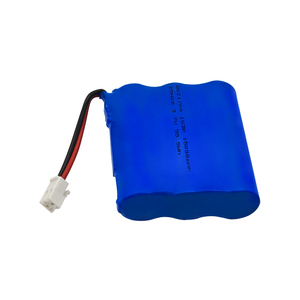


Built upon robust UK engineering principles, ISO 9001:2015 quality assurance systems, and bespoke Battery Management System (BMS) software architecture.
Every single lithium battery pack undergoes automated end-of-line verification, high-pot isolation tests, salt-spray corrosion chamber testing, and full thermal imaging under sustained C-rate discharge conditions before dispatch.
Designed to handle high humidity and marine moisture. Features multi-node CANbus communications (J1939, NMEA 2000), real-time cell balancing, thermal shutdown protection, and zero idle-drain storage modes.
Engineered for high-vibration maritime environments, utilizing cell-level phase-change thermal barriers, fire-retardant structural potting, and anodized aluminum anti-shock casings meeting MIL-STD-810G specs.
The global marine electrification movement is experiencing a paradigm shift from traditional, low-voltage lead-acid and AGM chemistry setups toward high-efficiency, high-voltage Lithium Iron Phosphate (LiFePO4) and Lithium Nickel Manganese Cobalt (NMC) energy storage systems. As commercial fleet operators, luxury yacht builders, and naval architects strive to meet strict International Maritime Organization (IMO) decarbonization targets, energy density, lifecycle longevity, and extreme-environment safety have become non-negotiable procurement parameters.
Modern marine energy storage systems require high specific energy density paired with extreme volumetric efficiency. Compact battery footprints allow catamarans and electric propulsion vessels to maximize payload capacity while maintaining optimal stability and weight distribution. Furthermore, smart cell-level monitoring through high-speed CANbus networks enables seamless integration with marine digital bridge systems, dynamic positioning hardware, and hybrid diesel-electric controllers.
Selecting the correct lithium chemistry directly influences operational vessel safety, weight-to-power ratios, thermal resilience, and Total Cost of Ownership (TCO). Below is an engineering benchmark outlining performance metrics across primary marine power solutions:
| Technical Parameter | Marine Grade LiFePO4 | Lithium NMC (Nickel Manganese Cobalt) | Traditional AGM / Gel Lead-Acid |
|---|---|---|---|
| Gravimetric Energy Density | 140 – 180 Wh/kg | 200 – 260 Wh/kg | 30 – 40 Wh/kg |
| Cycle Life (80% Depth of Discharge) | 4,000 – 6,000+ Cycles | 2,000 – 3,500 Cycles | 400 – 600 Cycles |
| Thermal Runaway Breakdown Threshold | ~270°C (Ultra-Stable) | ~210°C (Requires Active Liquid Cooling) | ~60°C (Off-gassing Risk) |
| Ingress Protection Rating Capability | IP67 / IP68 Hermetic Enclosure | IP67 Sealed Module | Vented (Non-Submersible) |
| Usable Capacity Range (DoD) | Up to 100% Usable | Up to 90% Usable | 50% Maximum Recommended |
| Long-Term TCO Efficiency (10-Yr Scale) | Lowest (Minimal Maintenance) | Moderate (Higher Initial Cost) | Highest (Frequent Replacements) |
Global procurement directors and vessel engineers face shifting regulatory and technological landscapes. The key trends driving marine battery OEM sourcing include:
A. High-Voltage Direct Current (HVDC) Propulsion Architectures: While 12V and 24V packs remain standards for auxiliary house loads and trolling motors, the marine propulsion sector is rapidly standardizing on 96V, 307V, 600V, and 800V DC bus networks. High-voltage architectures minimize I²R copper transmission losses, reduce cable bundle weight, and significantly enhance electric motor efficiency during sustained cruising speeds.
B. Marine-Specific Safety Compliance Frameworks: CE certification alone is no longer the sole prerequisite for commercial marine adoption. Sourcing criteria now demand strict compliance with international marine directives including UN38.3 transport safety, IEC 62619 for industrial lithium storage, DNV-GL marine class standards, and RINA certifications. Enclosure design must mitigate salt-fog atmospheric corrosion, thermal runaway propagation between adjacent cells, and pressure spikes via IP67 anti-explosion vent valves.
C. Cloud-Tethered Predictive BMS Analytics: Next-generation marine procurement emphasizes intelligent cloud telemetry. Integrated IoT-enabled BMS modules stream cell impedance, state-of-charge (SOC), state-of-health (SOH), and operational thermal data to fleet managers in real time, predicting cell degradation long before equipment breakdown occurs in open waters.
Direct technical answers addressing common procurement questions, marine compliance, thermal safety, and customized pack integration.
Whether you require custom high-voltage electric propulsion batteries, drop-in 12V/24V deep-cycle trolling motor packs, or dedicated OEM engineering consultation, our technical sales team is ready to assist your project.